
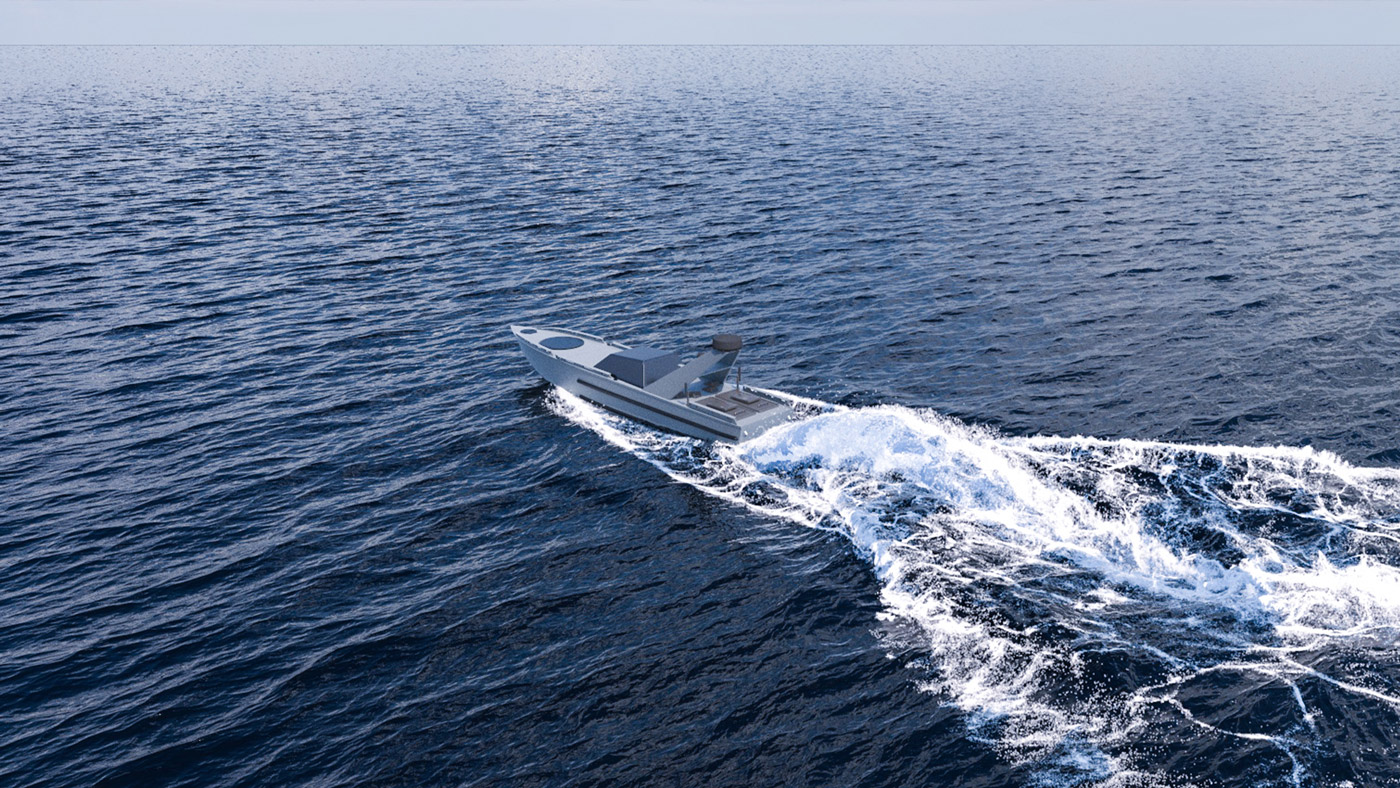
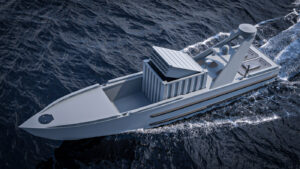
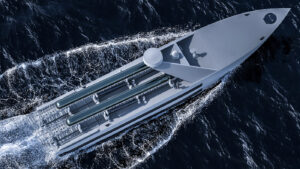
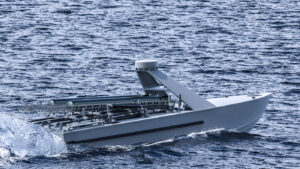
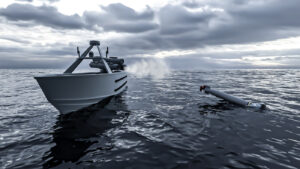
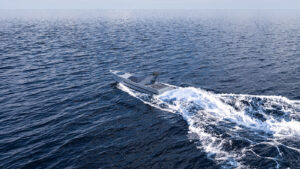

LUC-E
Product descripton: LUC-E by Swiftships
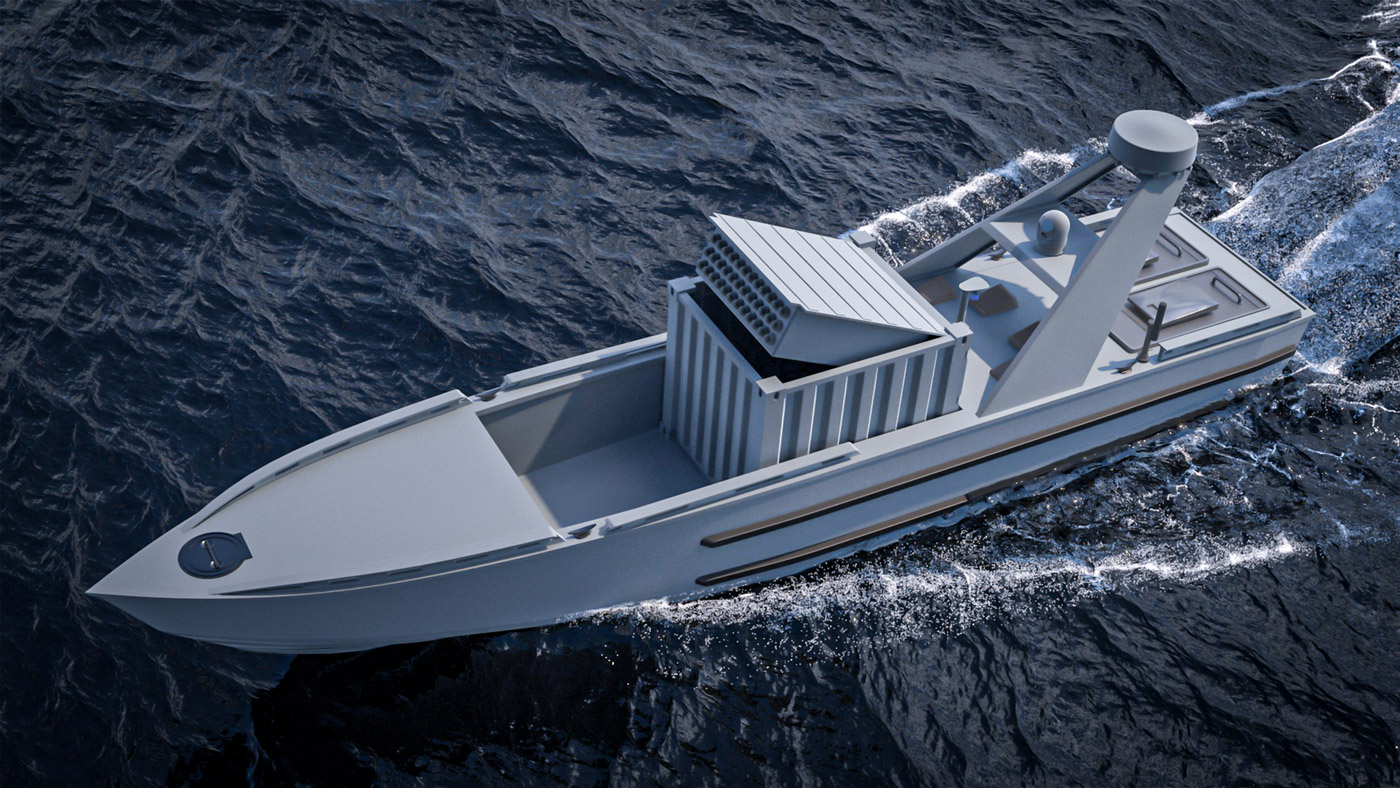
The LUC-E (Littoral Unmanned Craft – Expeditionary) is a 10.6 m multi-domain Unmanned Surface Vessel (USV) developed by Swiftships for expeditionary naval operations in contested maritime environments. Designed to meet the U.S. Navy’s Joint Warfighting Concept, the platform supports force protection, power projection, area denial, anti-landing operations, and surface and subsurface warfare.
Built around a low-signature V-shaped aluminum monohull, the LUC-E combines high-speed performance, mission autonomy, survivability, and modular payload integration. It can operate remotely or autonomously with up to Level 5 automation and features cyber-hardened architecture, autonomous COLREG-compliant navigation, advanced sensor integration, and man-in-the-loop mission control.
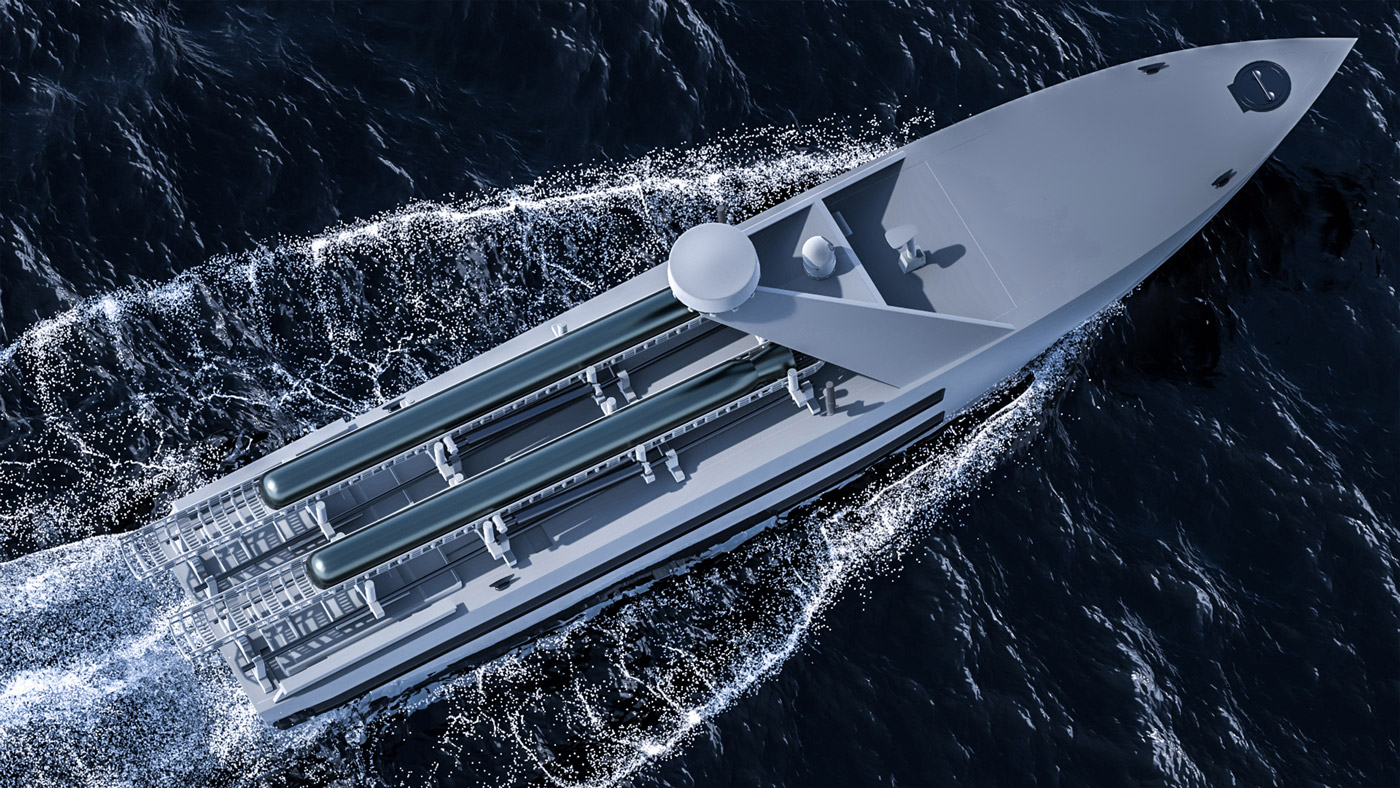
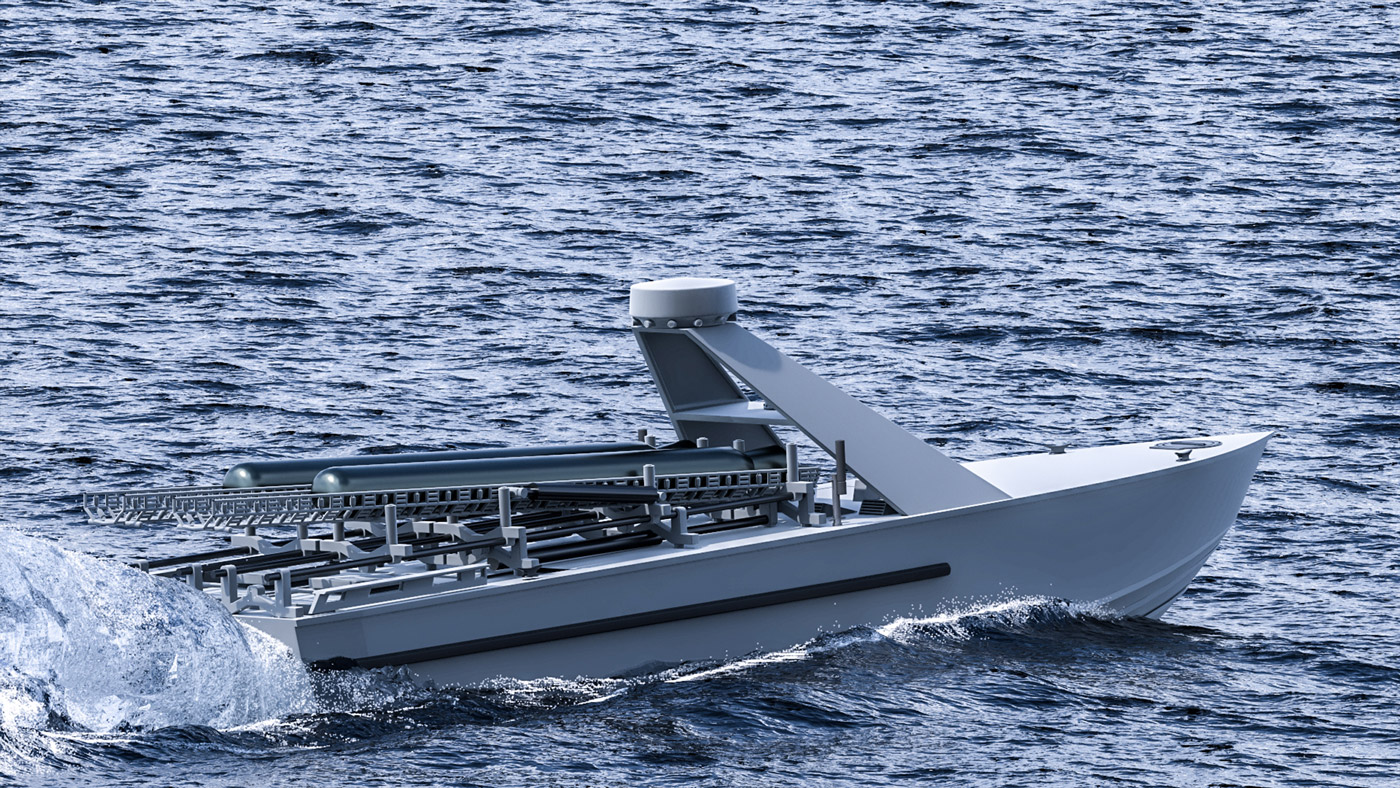
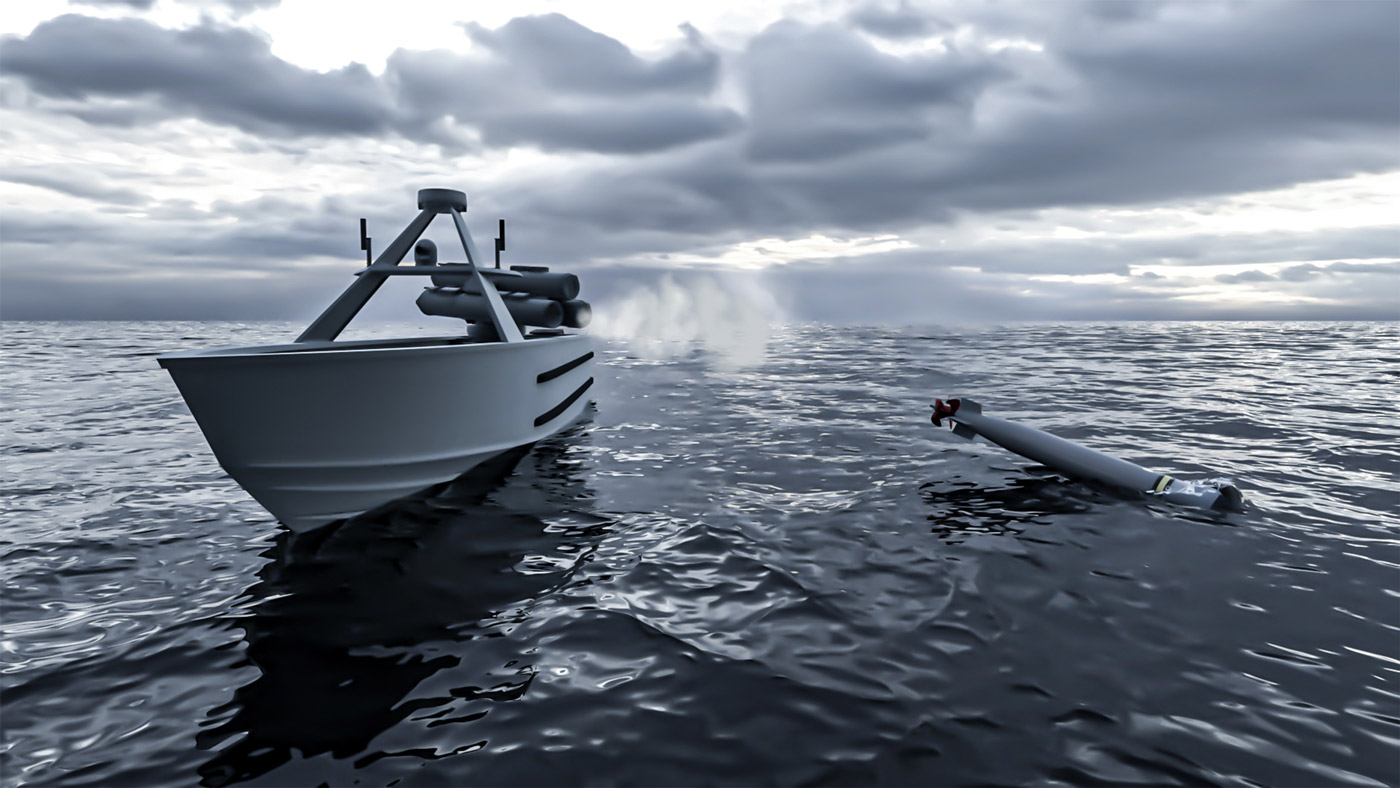
The vessel supports a broad range of payloads, including remote weapon stations, torpedoes, mines, loitering munitions, UAV/UUV deployment systems, and electronic warfare equipment. Its scalable design, rapid manufacturing capability, and transportability by air, land, or sea make it suitable for distributed maritime operations and large-scale deployment.
Technical specifications
Key Features
- Multi-domain combat USV for littoral and expeditionary warfare
- Remote-controlled or fully autonomous operation (Automation Level 5)
- Cyber-hardened architecture with low-signature design
- V-shaped 5086 marine-grade aluminum monohull
- High-speed operation up to 30 knots with 450 NM operational range
- COLREG-compliant autonomous navigation
- FLIR, radar, AIS, GPS, and Starlink BLOS communications
- Supports RCWS, torpedoes, mines, UAV/UUV, and loitering munitions
- Payload capacity up to 8,000 lb (3,629 kg)
- Seakeeper 2 gyro stabilizer for improved stability
- Remote machinery diagnostics and health monitoring
- Rapid robotic manufacturing capability (up to 3 craft/month)
- Air, sea, and land transportable
Primary Mission Profiles
- Multi-domain warfighting
- Surface warfare
- Anti-submarine warfare
- Anti-landing barrier operations
- Loitering munition deployment
- Mine deployment
- Force protection
- Area denial
- Expeditionary operations
- Electronic warfare (optional)
- ISR and autonomous maritime patrol
Technical Specifications
| Category | Specification | Value |
|---|---|---|
| Dimensions | Length | 35 ft (10.6 m) |
| Beam | 8.1 ft (2.5 m) | |
| Draft | 2.0 ft (0.6 m) | |
| Performance | Range | 450 NM at 30 knots |
| Capacity | Fuel Capacity | 426 gal (1,612.6 L) |
| Weight | 16,000 lb (7,529 kg) | |
| Machinery | Engines | 2 × Fiat Engines (3,200 RPM) |
| Propulsion | 2 × HJ (HJX27) Waterjets (353 kW) | |
| Generator | 3 kW (Optional) | |
| Sensors & Electronics | Radar | SIMRAD HALO 24 |
| Navigation System | Vector Navigation VN-300 | |
| AIS | Sitex DA-2 | |
| GPS | TE Connectivity ANT-SH2-SMA | |
| Communications | Starlink BLOS | |
| Camera | FLIR M364C Low-Light HD Night Vision | |
| Antenna | L-COM HG2406DPU | |
| Antenna | Shakespeare 5912 | |
| Armament | Standard Payload | Variable payload up to 8,000 lb including Mk48 or Mk32/46 torpedoes and mines (10 × 450 lb) |
| Mission Configuration Options | Torpedo Configuration | 2 × Mk48 Torpedoes or 1 × Mk32 (3-tube) launcher for Mk46 torpedoes |
| Payload Bay | 145 × 80 × 40 in payload compartment | |
| Mine Warfare | Minehunting capability | |
| Electronic Warfare | 4 kW Electromagnetic Spectrum Operations (EMSO) package | |
| Hull & Construction | Hull Material | 5086 Marine Grade Aluminum |
| Seakeeping | Sea State | Operate/Survive: Sea State 3–4 |
| Production | Manufacturing | Rapid Robotic Manufacturing Capability (3 craft/month) |
| Transportability | Transport | Air, Sea, or Land |
| Technology Readiness | TRL | Craft: TRL 9; Technology: TRL 7 |
| Stability | Stabilization | Outriggers (Port/Starboard) |